Blog

How Credentialing Affects Revenue Cycle Management

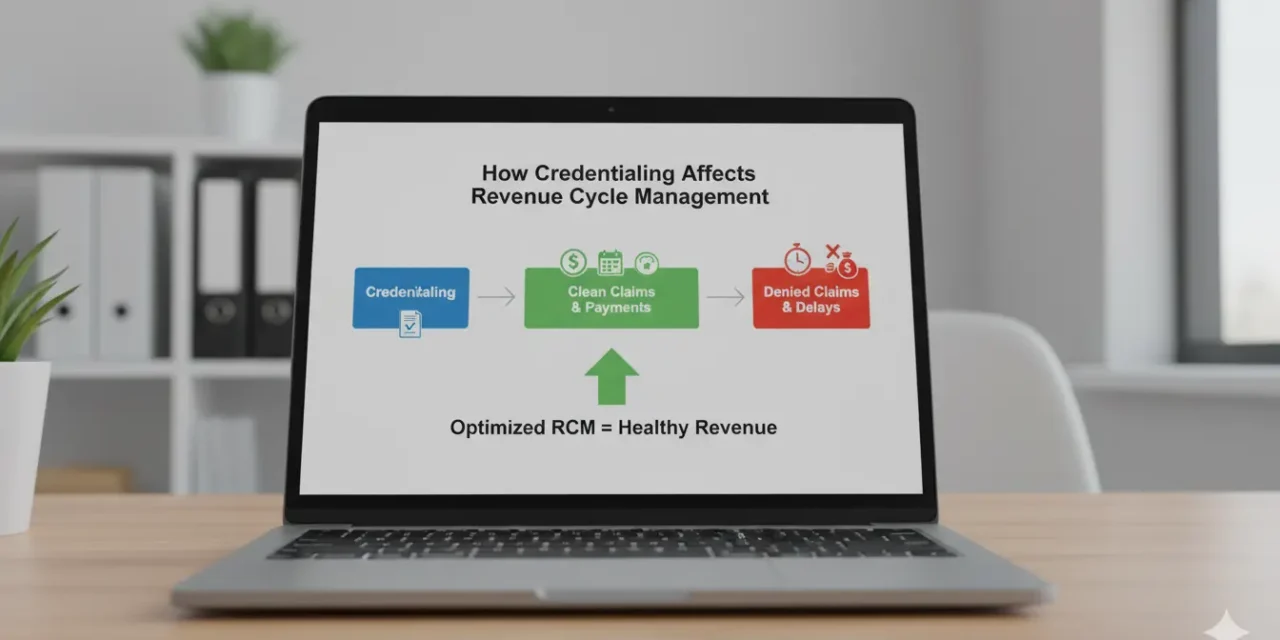
Credentialing and revenue cycle management (RCM) connect directly—without approved provider credentials, claims don’t get paid, stalling your practice’s cash flow from day one. Hospitals, payers, and networks require up-to-date enrollment before reimbursing services, so delays in credentialing mean delayed or rejected payments that ripple through your entire billing process. Think of credentialing as the front...

How Background Checks Work in the Credentialing Process

Background checks form a core part of the credentialing process, helping healthcare organizations confirm a provider’s qualifications and history before granting privileges. They verify education, licenses, and any past issues to ensure only trusted professionals deliver care. These checks protect patients by spotting risks like sanctions or malpractice patterns early, while reducing legal and financial...

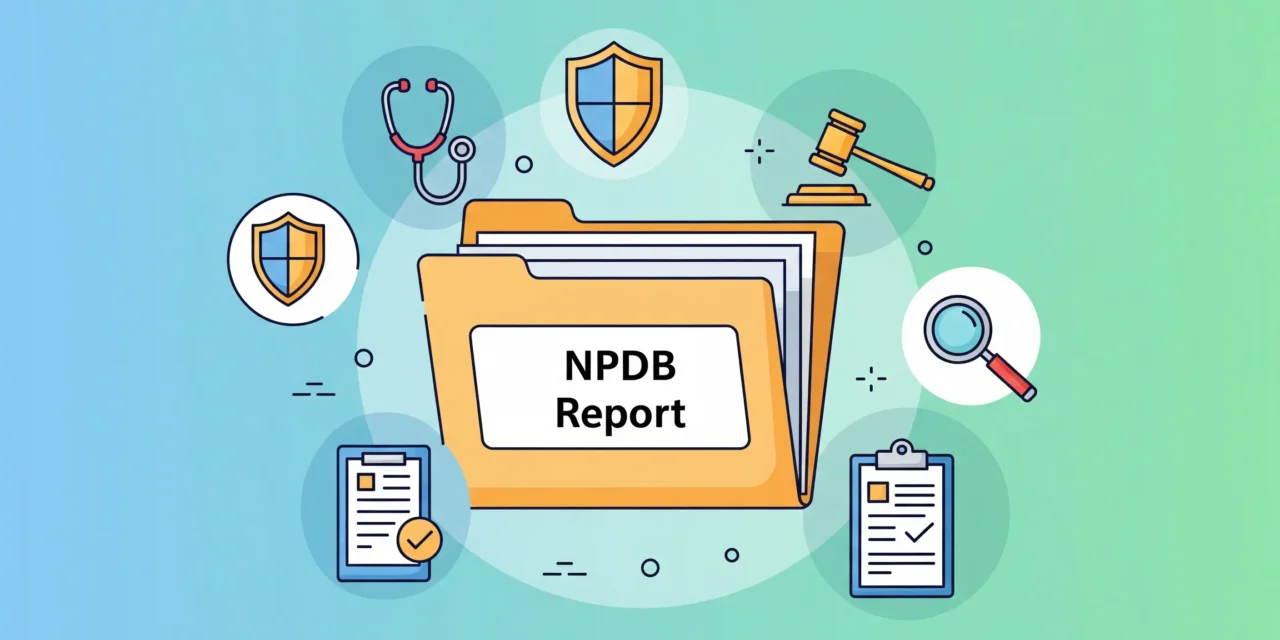
What Is an NPDB Report? How It Affects Provider Credentialing

Healthcare organizations rely on the National Practitioner Data Bank (NPDB) to guide credentialing and privileging decisions. Credentialing verifies a provider’s qualifications, training, and track record, while privileging defines the exact services they can deliver at a facility. This system protects patients by ensuring only vetted professionals provide care. The NPDB acts as a trusted clearinghouse...

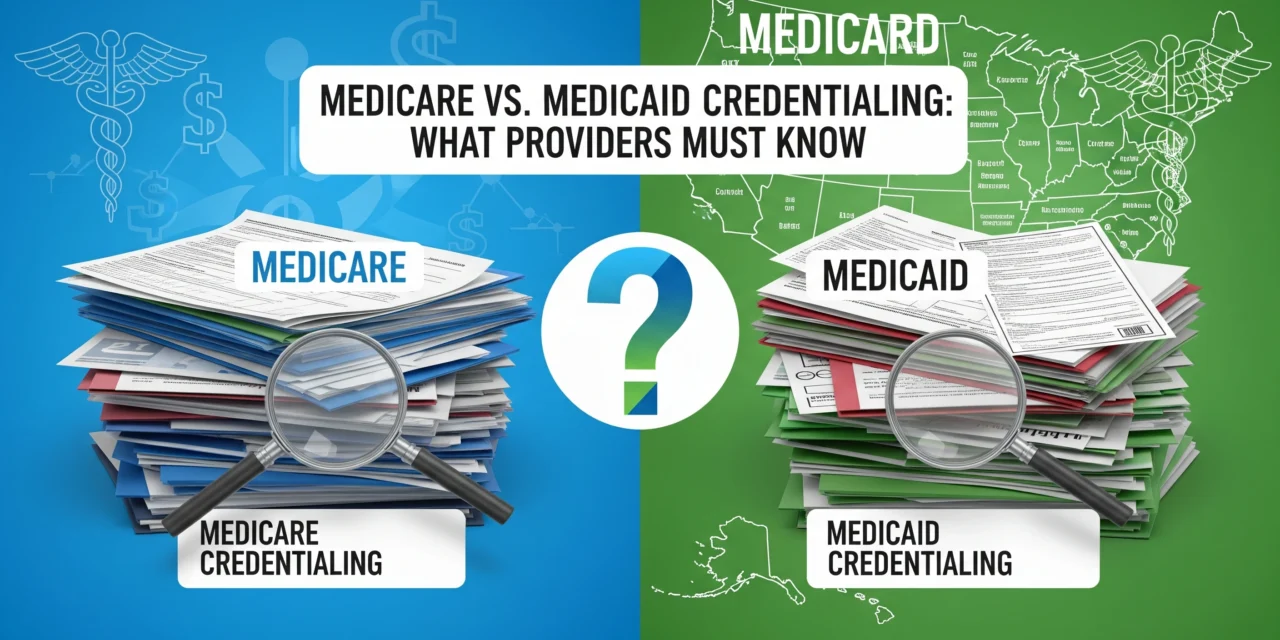
Medicare vs. Medicaid Credentialing: What Providers Must Know

Medicare and Medicaid are two major government health insurance programs, but their credentialing processes differ significantly for providers. Medicare is a federal program for seniors and certain disabled individuals, managed uniformly  by the Centers for Medicare & Medicaid Services (CMS). Medicaid is jointly funded by the federal and state governments, so each state runs its...

UnitedHealthcare (UHC) Credentialing Guide for Providers

UnitedHealthcare (UHC) credentialing is the process by which UHC reviews your professional qualifications—like your licenses, education, and background—to make sure you meet their standards before you can join their provider network. Providers must complete credentialing before billing UHC for services. Without it, claims will be denied, and you can’t see UHC patients or get reimbursed....

Aetna Provider Credentialing Guide

Credentialing is a process where insurance companies like Aetna check your background to make sure you’re qualified to provide healthcare services. It’s like Aetna’s way of ensuring you have the right education, licenses, and experience to safely care for their members. Aetna requires credentialing before they accepts claims from providers. This step helps protect patients...

What is PECOS Enrollment? A Step-by-Step Guide

The Provider Enrollment, Chain, and Ownership System (PECOS) is Medicare’s official online platform designed to help healthcare providers, groups, and suppliers manage their Medicare enrollment smoothly.  Instead of dealing with complicated paper forms, PECOS offers a digital way to apply, update, and maintain your Medicare enrollment information all in one place. Managed by the Centers...